
The influence of fast fashion trends on the customer experience of Shein
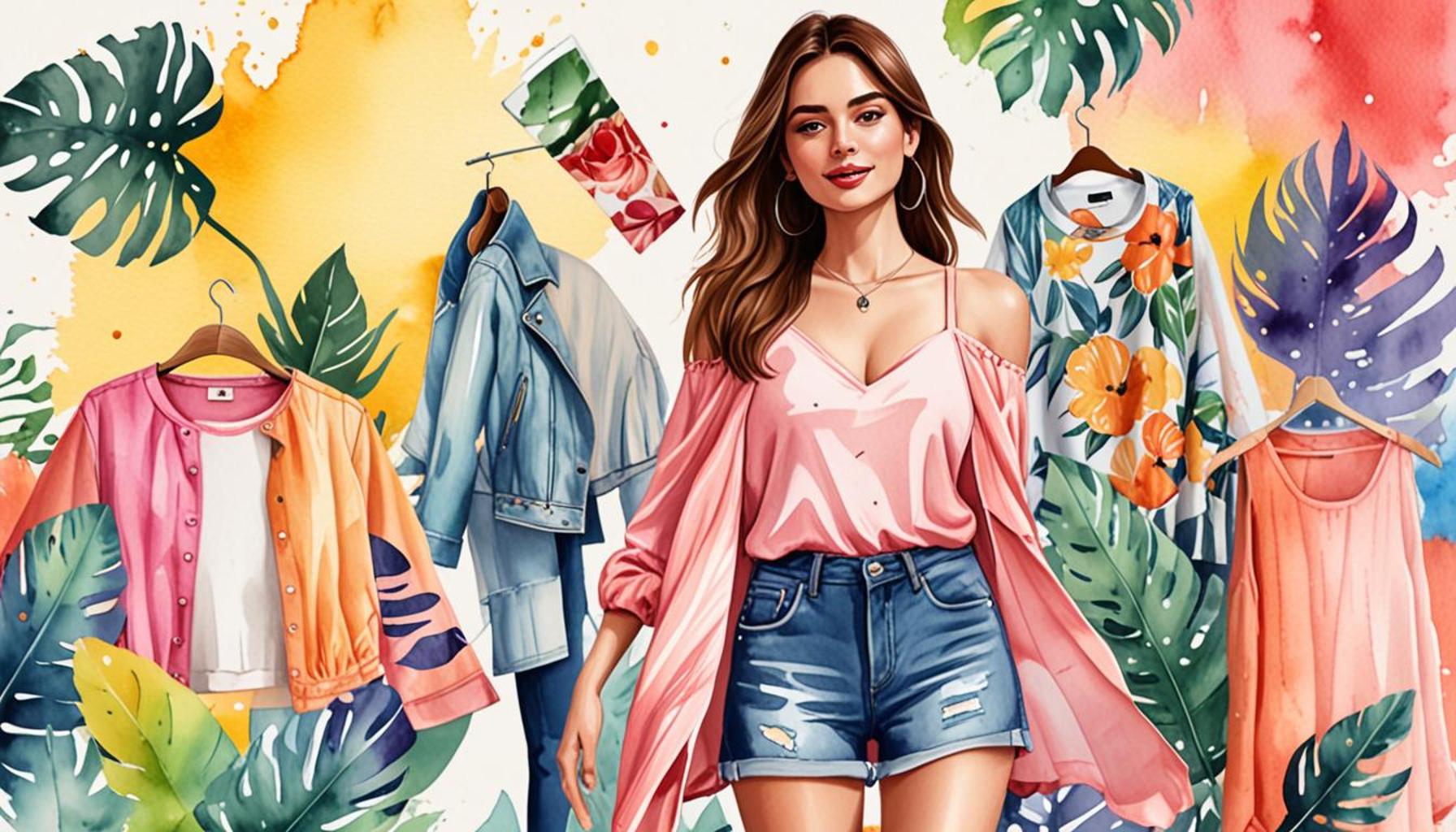
The Rapid Rise of Shein in Fast Fashion
In recent years, Shein has taken the fashion industry by storm, becoming a household name for trend-savvy shoppers. This rapid rise can be attributed to the ever-evolving world of fast fashion, which has significantly reshaped the customer experience. With its massive inventory and quick turnaround on the latest trends, Shein taps into a consumer culture driven by immediacy and novelty.
The Power of Trends
Fast fashion brands like Shein harness the power of trends to attract and retain customers. Their marketing strategies and business models are specifically designed to capitalize on the latest fashion crazes. Here are some defining features of this influence:
- Dynamic offerings: New styles are introduced weekly, giving a sense of urgency to shop. This constant influx of fresh apparel creates a “limited time only” atmosphere, compelling customers to act quickly or risk missing out on trendy items.
- Social media engagement: Strategic use of influencers and online campaigns appeals to a younger demographic. With millions of followers, these influencers share their fashion choices on platforms like Instagram and TikTok, effectively using their personal styles to promote Shein’s latest offers and establish a connection with their audience.
- Affordable prices: The low-cost items allow consumers to experiment with their wardrobes without significant financial investment. Shein’s pricing strategy makes it easy for shoppers to purchase multiple items without breaking the bank, further encouraging the behavior of frequent shopping.
This fast-paced approach to fashion not only captivates shoppers’ attention but also alters their expectations for retail. As trends come and go at lightning speed, Shein’s model presents a dual-edged sword for the consumer experience, offering excitement while simultaneously fostering a cycle of consumption that many find hard to resist. This has led to a shift in consumer behavior, as people increasingly prioritize acquiring trendy pieces over building a staple wardrobe.
Such insights urge a deeper investigation into how Shein reconciles the balance between trend-based delight and sustainability in a market that seems endlessly demanding. The environmental impact of fast fashion, characterized by overproduction and waste, raises critical questions about the long-term consequences of our shopping habits. As consumers become more aware of these issues, brands like Shein face increasing pressure to incorporate sustainable practices into their business models. The challenge remains: can Shein innovate while maintaining the rapid pace that has endeared it to millions? The answer may hold the key to the future of fast fashion itself.
DISCOVER MORE: Click here to dive into Shein’s marketing
Customer Expectations in a Fast Fashion World
The customer experience in today’s fast fashion landscape is significantly shaped by the rapid turnover of trends, especially with brands like Shein leading the charge. As consumers become accustomed to a constant stream of new styles, their expectations have evolved, favoring brands that not only keep pace but push the limits of innovation and convenience. The influence of these fast fashion trends manifests across several dimensions, redefining how customers interact with brands and make purchasing decisions.
The Instant Gratification Factor
In the age of fast fashion, the demand for instant gratification plays a pivotal role in shaping the customer experience. Today’s shoppers expect a seamless journey from browsing to purchasing, and Shein’s mobile-friendly website and app cater to this need effectively. Features such as:
- Real-time updates: Shein’s website frequently showcases popular items and trending categories, utilizing algorithms that reflect customer interests and seasonal styles. This creates a sense of urgency and drives impulse purchases, reinforcing the idea that fashion is fast, fleeting, and always within reach.
- Customer reviews and ratings: By prioritizing transparency through user-generated content, Shein enhances trust and reliability. Customers are more likely to engage and make purchases when they can review firsthand experiences from their peers, making shopping feel more community-oriented.
- Effortless return policies: Shein facilitates quick and easy returns, alleviating the fear of commitment associated with online shopping. Such policies encourage customers to experiment with their style, knowing they have the option to return items that don’t meet their expectations.
This eagerness for immediate satisfaction doesn’t come without its drawbacks. The fast-paced nature of Shein’s offerings can lead to a superficial shopping experience, where customers prioritize novelty over quality and longevity. In addition, the overabundance of selections can overwhelm shoppers, leaving them feeling lost in a sea of choices. This paradox exposes a critical question: while fast fashion brands like Shein offer more, do they ultimately alienate customers from a deeper connection to the very clothes they purchase?
Moreover, the reliance on constant renewal of trends can contribute to a cycle of overconsumption, leading many consumers to grapple with feelings of guilt and dissatisfaction with their purchases. In a market that glorifies the ‘new’, the ability to create a timeless wardrobe seems almost obsolete. The influence of fast fashion trends, therefore, prompts consumers to reconsider what it means to shop meaningfully amidst a whirlwind of styles that often prioritize quantity over sustainability.
As the conversation about fast fashion’s impact intensifies, it becomes imperative for brands like Shein to reflect on how they can adapt to changing consumer values. Balancing energetic marketing with ethical practices may shape the future of Princess Amazon—a brand whose influence is undeniable but whose sustainability may be deemed a critical measure of success moving forward.
| Advantage | Description |
|---|---|
| Affordability | Shein offers trendy clothing at low prices, appealing to budget-conscious consumers. |
| Variety | With an immense catalog of styles, Shein caters to diverse tastes and ever-changing trends. |
The swift rise of fast fashion brands like Shein has reshaped the retail landscape. As customers increasingly seek affordability and variety, Shein has positioned itself as a frontrunner in delivering eye-catching styles at a fraction of traditional retail prices. This affordability factor draws in young shoppers, often willing to experiment with their look without the fear of overspending.Moreover, the vast variety of apparel ensures that shoppers can find everything from casual wear to office attire, reflecting the dynamic nature of fashion trends. The rapid turnover of inventory encourages frequent visits to its platform, further enhancing the overall consumer experience. By capitalizing on these strengths, Shein has not only captivated the attention of its target market but has also sparked discussions around sustainability and consumerism in the fast fashion realm.
DIVE DEEPER: Click here to discover more
The Social Media Effect and Brand Loyalty
As part of the fast fashion ecosystem, Shein effectively harnesses the power of social media to enhance the customer experience and cultivate brand loyalty. Platforms like Instagram, TikTok, and Pinterest are not merely promotional tools for the brand; they serve as dynamic vehicles for engaging directly with a vast audience of fashion-forward consumers. The visual nature of these platforms facilitates an immersive experience where trends can disseminate rapidly, influencing purchasing behaviors in real-time.
Influencer Partnerships and User Engagement
Shein’s collaborations with micro and macro influencers have become a cornerstone of its marketing strategy. By showcasing diverse consumers wearing Shein’s outfits, these influencers offer relatable styling tips and authentic testimonials that resonate with their followers. This creates a sense of community and belonging among customers who see their own tastes reflected in the online content. Furthermore, the use of the hashtag #Shein finds itself trending across platforms, generating a continuous cycle of user-generated content that elevates brand visibility.
Recent studies have shown that nearly 70% of consumers are influenced by the opinions of social media personalities when making shopping decisions. Shein capitalizes on this trend by actively engaging in dialogues with its customer base, encouraging users to share their outfits and style insights. Such engagement not only enhances the shopping experience but fosters a deeper emotional connection between the customer and the brand, leading to increased loyalty.
The Role of Technology in Personalization
Another aspect that shapes customer experience at Shein is the application of technology to offer personalized shopping experiences. With advanced algorithms analyzing past purchases, browsing history, and customer preferences, Shein delivers tailored recommendations that elevate the dynamic of online shopping. Features like the “Style Guide” and personalized lookbooks help streamline navigation through thousands of options, preventing the overwhelming sensation that often accompanies fast fashion retail.
By presenting a curated collection that aligns with individual consumers’ style profiles, Shein connects the brand directly to user preferences. Additionally, the introduction of augmented reality (AR) technology within the online shopping interface allows customers to virtually try on styles before purchasing. This innovative use of technology attempts to lower the risk of buyer’s remorse, especially crucial in the realm of fast fashion, where return rates can be significantly high.
Price Sensitivity and Perceived Value
The fast fashion model significantly influences customer perceptions of value. Shein is known for its affordable prices, often featuring items well below those of more traditional retailers. However, this aspect can create a participating mindset among consumers, impacting their willingness to invest in higher-quality, sustainable alternatives in the long run. The constant influx of new arrivals at budget-friendly prices can lead to a perception that fashion should always be cheap and readily available, further tightening the customer experience around a cycle of rapid consumption.
Data indicates that around 64% of consumers express a preference for affordability over quality when shopping online. This mindset perpetuates a culture in which trends are fleeting, as shoppers may prioritize immediate gratification and fashionable novelty over maintaining a long-term wardrobe. Consequently, Shein’s approach to file through the high volume of trendy items emphasizes the struggle between satisfying current consumer preferences and the larger issue of fostering sustainable shopping habits.
Ultimately, the influence of fast fashion trends on Shein’s customer experience is multifaceted, integrating elements of social media engagement, technological innovations, and evolving consumer values. As Shein navigates this intricate landscape, the dual challenge remains: to embrace the demands for immediacy while encouraging a more thoughtful approach to fashion consumption.
DISCOVER MORE: Click here to learn about how predictive analysis shapes fashion trends
Conclusion
In summation, the influence of fast fashion trends on the customer experience of Shein illustrates a complex interplay between modern consumer behaviors and innovative retail strategies. The brand’s success is intricately linked to its ability to leverage the power of social media, capitalize on personalized technological solutions, and navigate the delicate balance between affordability and sustainability. As consumers increasingly rely on platforms like Instagram and TikTok for inspiration, Shein’s strategic partnerships with influencers not only enhance brand visibility but also foster a community where customers feel represented and valued.
However, as Shein accelerates its production cycle to meet the incessant demand for trendy, inexpensive apparel, crucial questions on sustainability and ethical fashion arise. The trend toward immediate gratification can lead to a culture of disposability, where quality takes a backseat to trendy prices. While Shein’s affordable offerings resonate with approximately 64% of consumers prioritizing price over quality, it poses a significant challenge for the industry moving forward. Will consumers remain content with this fast-paced shopping experience, or will a shift toward sustainable practices become non-negotiable in their purchasing decisions?
Ultimately, as the fast fashion landscape continues to evolve, Shein stands at a crossroads. The brand must address the growing demand for conscientious consumption while retaining its appeal for trend-driven shoppers. The outcome will not only redefine Shein’s customer experience but could also set a precedent for the future of fast fashion as a whole. Investigating these trends will be essential for understanding how the retail experience adapts to evolving consumer sentiments and global challenges.

Linda Carter
Linda Carter is a writer and expert known for producing clear, engaging, and easy-to-understand content. With solid experience in guiding people toward their goals, she shares valuable insights and practical advice. Her mission is to help readers make informed choices and achieve meaningful progress.