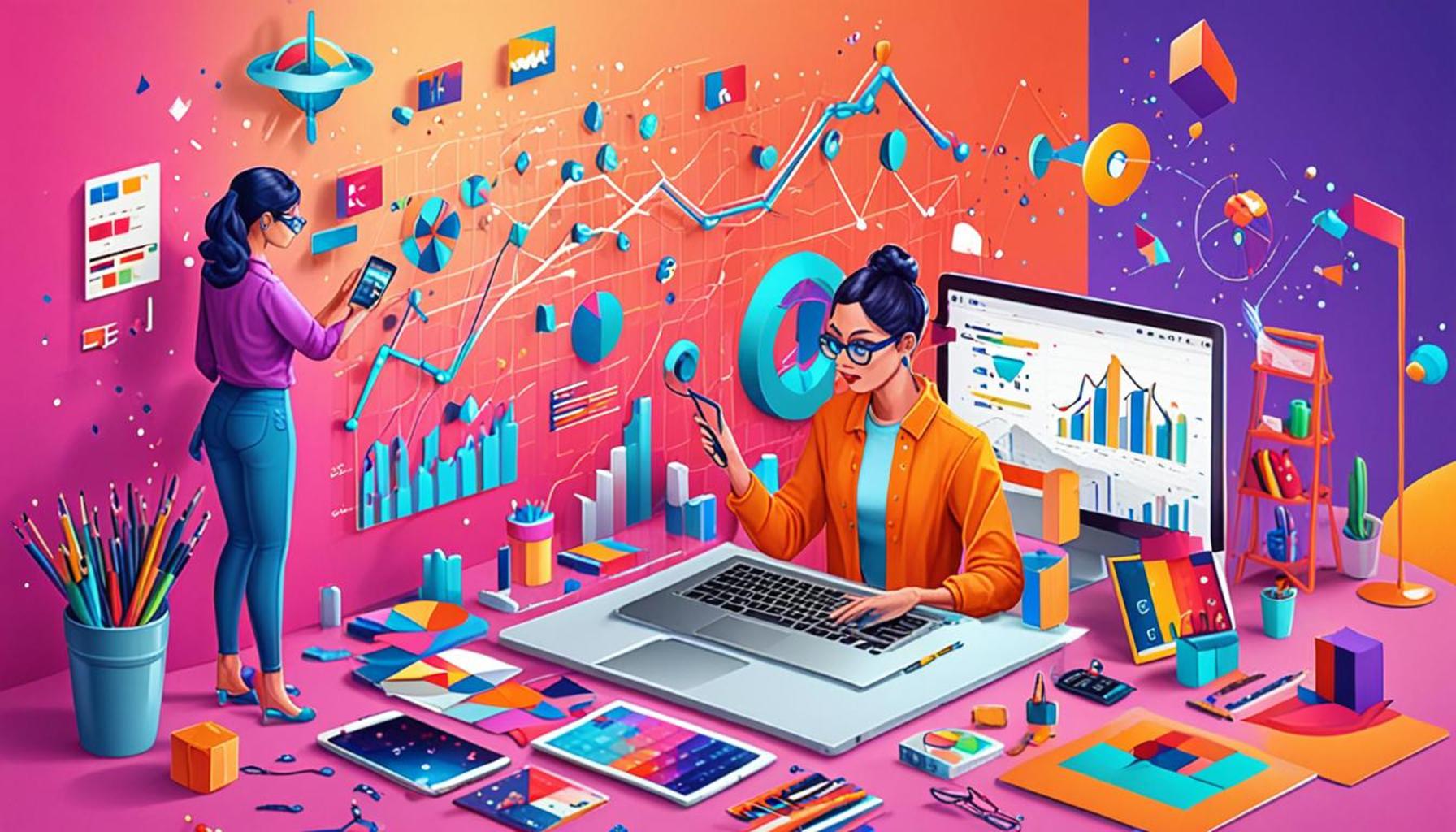
Marketing Automation Trends: The Future of Digital Campaigns
The Importance of Marketing Automation in Today’s Business Environment
As marketing landscapes evolve, understanding the rapid shift towards automation becomes essential for businesses. Marketing automation streamlines processes, allowing companies to focus on strategy and creativity while improving efficiency. It transforms traditional marketing practices by integrating technology, enabling businesses to enhance their interactions with customers. This transition is not merely an option; it is a necessity in ensuring that brands remain competitive in an ever-changing marketplace.
Enhanced Customer Insights
One of the primary benefits of automation is the ability to gather and analyze data with remarkable precision. Automation tools collect vast amounts of data, providing valuable insights into consumer behavior. For instance, platforms like Google Analytics and HubSpot can track user interactions, purchase patterns, and engagement metrics across various channels. This level of analysis allows marketers not only to understand what their customers like but also to predict future purchasing behaviors. For example, if data shows that customers frequently buy running shoes after browsing fitness content, businesses can tailor their marketing efforts to promote related products strategically.
Personalization at Scale
Automation elevates the potential for personalization, enabling marketers to craft highly tailored campaigns that resonate with target audiences. With automated email marketing platforms like Mailchimp, businesses can segment their audience based on past buying behavior, demographics, and interests. This segmentation allows for the delivery of personalized messages that significantly increase engagement rates. For instance, a company might send a special offer on running gear to fitness enthusiasts, while sending information about yoga classes to a different segment. This targeted approach ensures that every consumer feels valued and understood, fostering loyalty.
Efficiency and Cost Savings
By automating repetitive tasks, businesses can significantly improve efficiency and reduce operational costs. Automated processes eliminate the need for manual intervention in routine activities such as email launches or social media postings. For instance, a small business using tools like Hootsuite can schedule posts for the entire week in one sitting, freeing up employee time for more strategic initiatives, such as developing new product lines or enhancing customer service. This leads to faster campaign execution and allows teams to allocate resources more effectively, driving down overall marketing costs.
Driving Evolution Through Technology
The future of digital campaigns is not just about sending emails or scheduling social media posts. It’s about using technology to create a seamless customer journey. Here are some key components driving this evolution:
Artificial Intelligence
Artificial Intelligence (AI) is transforming how brands interact with customers. AI tools can analyze customer data to predict needs and optimize responses, making interactions more relevant and impactful. For instance, chatbots powered by AI can provide instant customer support, answering queries or assisting with purchases at any time of day. This not only enhances the customer experience but also streamlines operations for businesses.
Integration and Interconnectivity
As marketing tools become more integrated, businesses can achieve a unified approach across various marketing channels. This interconnectivity allows for seamless data sharing and campaign execution, ensuring consistency in messaging and branding. For example, integrating CRM systems with email marketing tools allows businesses to utilize customer data effectively across different platforms, leading to more coherent marketing strategies.
Real-Time Analytics
Immediate feedback from automated systems enables marketers to adjust strategies on the fly, greatly improving overall effectiveness. Real-time analytics allow teams to see what is working and what is not, facilitating quick pivots in strategy. If an email campaign is underperforming, marketers can instantly tweak subject lines, images, or call-to-action buttons to enhance performance. This agility can make a significant difference in maintaining engagement and driving conversions.
Conclusion
Embracing marketing automation provides companies with the tools necessary to thrive in a competitive digital landscape. From enhancing customer insights to enabling personalization at scale, the advantages are vast. As we move forward, understanding and leveraging these trends will be crucial for businesses seeking to execute successful digital campaigns. In this article, we will explore these trends in detail and discuss how embracing marketing automation can lead to a more effective marketing strategy and increased success in the near future.
DISCOVER MORE: Click here to learn about sustainability trends in e-commerce
Key Trends Shaping Marketing Automation
As we delve deeper into the realm of marketing automation, it’s crucial to understand the key trends shaping the future of digital campaigns. These trends not only highlight the evolving nature of marketing practices but also emphasize the critical role that technology plays in crafting successful strategies. Here are the primary trends that businesses should pay attention to:
Multi-Channel Marketing
In today’s digital landscape, consumers interact with brands across various channels, including social media, email, websites, and mobile apps. Multi-channel marketing allows businesses to reach their audiences on their preferred platforms, ensuring a wider reach and more meaningful engagement. By implementing automated tools that manage campaigns across multiple channels, companies can create synchronized messages that resonate with customers wherever they are. For example, a brand promoting a summer sale could engage customers via an email blast, social media advertisements, and push notifications through their app, creating a cohesive experience.
Focused Content Marketing
The shift to marketing automation also means that content must be more strategic and targeted. As automation tools become more sophisticated, marketers can analyze user behavior to create content that aligns precisely with customer interests. This focused approach enhances the relevance of communications, resulting in higher engagement rates. Tools such as content management systems can help businesses organize and distribute content effectively. For instance, a brand might produce a series of blog posts designed to lead customers through the buying journey, sharing insight on product comparisons and solutions to common problems.
Predictive Analytics
Predictive analytics takes data analysis a step further by leveraging historical data to forecast future trends and behaviors. This powerful tool empowers marketers to anticipate customer needs and tailor their strategies accordingly. For example, if analytics indicate that certain products sell better during specific seasons, businesses can adjust their inventory and marketing campaigns to maximize sales potential leading up to peak times. Adopting predictive analytics not only enhances operational efficiency but also cultivates stronger customer relationships by addressing their needs proactively.
Customer Experience Automation
The customer experience is more critical than ever, and automation plays a key role in improving it. By utilizing automated systems to manage customer interactions, businesses can ensure that their responses are timely, relevant, and personalized. Here are a few examples of how this can be accomplished:
- Chatbots: These AI-powered tools can answer common customer queries 24/7, providing instant responses and reducing wait times.
- Follow-Up Emails: Automated email sequences can be set up to thank customers for their purchase, offer support, or suggest related products, enhancing their overall experience.
- Feedback Collection: Automated surveys post-purchase gauge customer satisfaction and identify areas for improvement, allowing businesses to adapt quickly.
As we continue to explore these trends, it becomes evident that embracing marketing automation is essential for businesses eager to stay ahead in the competitive landscape. By staying informed and adapting to these trends, companies can create more effective, engaging, and personalized digital campaigns that meet the evolving demands of their customers.
DISCOVER MORE: Click here to dive deeper
Innovative Technologies Driving Marketing Automation
The landscape of marketing automation is continually evolving, driven by innovative technologies that enhance the way businesses interact with customers. Understanding these technologies can empower brands to not only improve their marketing strategies but also engage more effectively with their audience. Below are some of the most important technologies revolutionizing marketing automation.
Artificial Intelligence and Machine Learning
Artificial Intelligence (AI) and machine learning are at the forefront of marketing automation advancements. These technologies enable systems to learn from data patterns, allowing for more effective targeting and personalization. For instance, AI-driven analytics can help segment audiences based on behaviors, preferences, and demographics, enabling marketers to craft tailored messages. A clothing brand might use AI to analyze purchase history and behavioral data, sending personalized recommendations to customers based on their past choices. This leads to a more engaging experience and can significantly boost conversion rates.
Integration with CRM Systems
Customer Relationship Management (CRM) systems have become integral to marketing automation. By integrating marketing automation tools with CRM platforms, businesses can streamline their efforts and maintain a cohesive understanding of each customer’s journey. For example, a software company might track all customer interactions through its CRM, utilizing that data to target users with relevant educational content about newly released features. By keeping communications within a unified system, companies can ensure that no customer falls through the cracks and that marketing efforts are both timely and informed.
Voice Search Optimization
As voice-activated devices become increasingly popular, optimizing for voice search is a crucial trend in marketing automation. Businesses must adapt their content and SEO strategies for voice queries, which tend to be longer and more conversational than typical search engine phrases. This means that marketers must rethink their keyword strategies and create content that answers common questions directly. A local restaurant, for example, could target voice searches by ensuring they provide clear answers on their menu and available hours, making it easy for customers to find them via voice-activated assistants.
Enhanced Data Privacy Measures
With increasing concerns over data privacy, businesses must be more transparent and secure in their handling of customer information. As new regulations arise, automating compliance measures will become vital. Marketers can utilize automated systems to ensure that customer data is handled according to legal standards, especially in light of laws like GDPR and CCPA. For example, a retail brand would need to have automated systems in place to allow customers to easily access their data, request deletion, or opt-out of newsletters, which enhances trust and credibility.
Augmented Reality in Campaigns
Augmented Reality (AR) is another powerful tool emerging in marketing automation. By incorporating AR into campaigns, brands can provide immersive experiences that attract and engage customers in unique ways. For instance, a furniture retailer might allow customers to visualize a sofa in their living room through an AR app, making the shopping experience more interactive and informative. With consumers increasingly seeking out experiences over products, AR can help businesses stand out in a crowded market by offering memorable interactions.
These innovative technologies reshape how companies approach their marketing automation, making campaigns more efficient, customer-focused, and future-ready. By embracing these advancements, businesses can build stronger relationships with their customers while enhancing their overall marketing effectiveness.
DIVE DEEPER: Click here to uncover more insights
Conclusion
In this rapidly evolving digital landscape, marketing automation stands at the forefront of effective customer engagement and streamlined business processes. The trends highlighted—such as the integration of artificial intelligence, the importance of CRM systems, and the optimization for voice search—underscore a significant shift toward more intelligent, personalized marketing strategies. As consumers increasingly expect tailored experiences, leveraging these advanced technologies is essential for brands aiming to maintain a competitive edge.
For instance, the integration of artificial intelligence allows businesses to analyze customer behavior in real-time, enabling them to deliver personalized content at the right moment. An online retailer might use AI to recommend products based on a user’s past purchases and browsing history, enhancing the shopping experience and increasing conversion rates. Similarly, CRM systems help organizations manage their interactions with current and potential customers by organizing data, tracking interactions, and automating follow-ups, which helps in nurturing leads more effectively.
Moreover, the rise of data privacy measures and the incorporation of augmented reality into campaigns reflect an important dual focus on transparency and innovative engagement strategies. For example, companies that utilize augmented reality in their marketing can provide immersive experiences, like virtual try-ons for beauty products or furniture placements in a customer’s home through their smartphone. This not only enhances customer engagement but also fosters trust, as users appreciate brands that prioritize their privacy while offering cutting-edge experiences.
Looking forward, it is crucial for marketers to remain agile and adaptable, continually assessing how these technologies can enhance their campaigns. By investing in cutting-edge tools and embracing a customer-centric approach, organizations can not only meet the evolving demands of consumers but also pave the way for future opportunities. The future of digital campaigns lies in the ability to harness these emerging trends effectively, ensuring meaningful interactions and driving growth in an increasingly competitive market. By prioritizing adaptability, brands can stay ahead of the curve and foster lasting relationships with their audience.