
Automation and Robotics in Shein’s Order Processing: Efficiency and Challenges
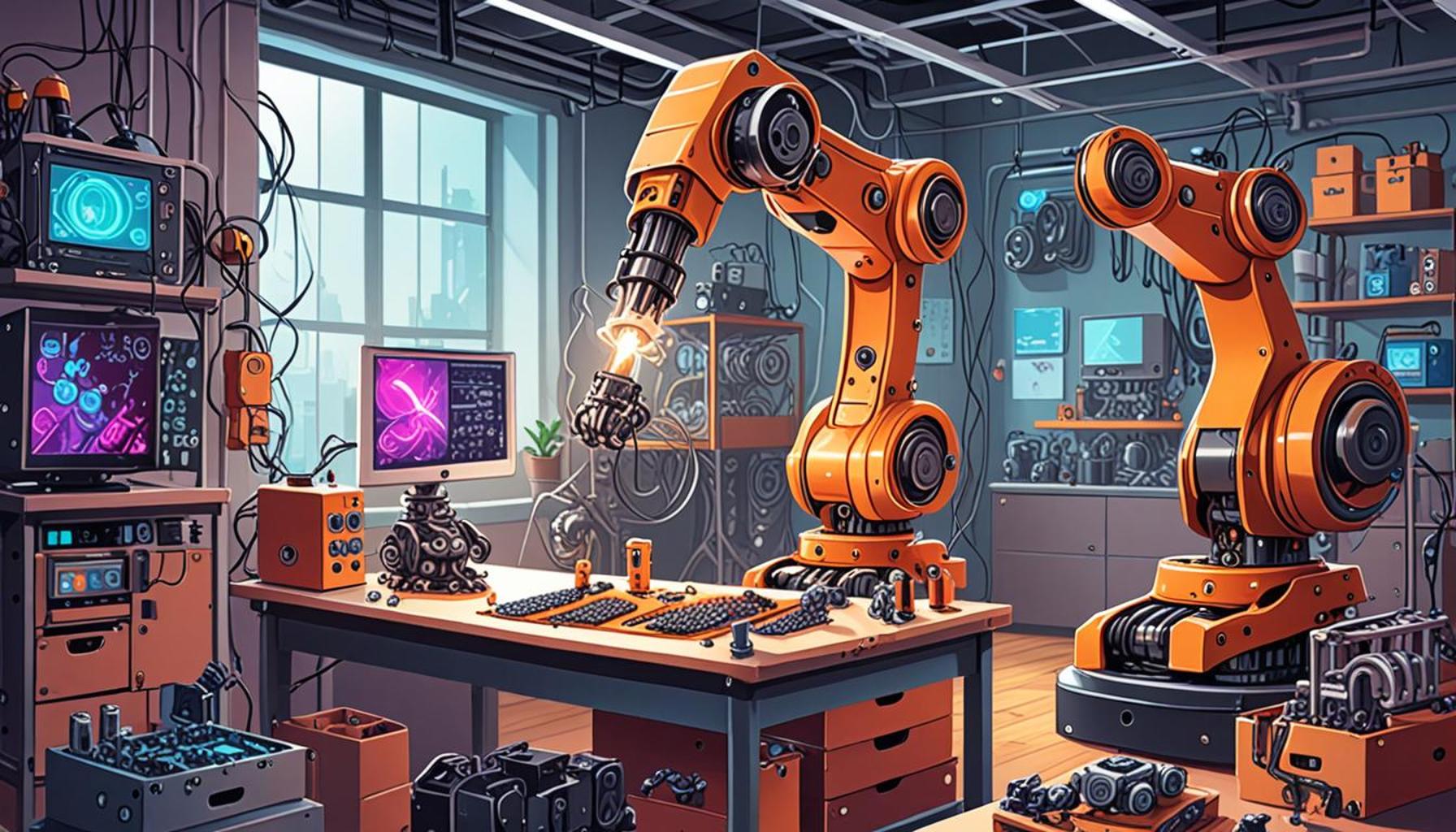
Exploring the Transformative Impact of Automation in E-Commerce
In the modern landscape of e-commerce, the deployment of automation and robotics has emerged as a pivotal force, fundamentally altering how businesses operate. Companies like Shein, a prominent name in the fast-fashion sector, have harnessed these technological advancements to significantly improve their order processing systems. As expectations among consumers continue to rise, the importance of being efficient and responsive has never been greater for maintaining a competitive edge in this ever-evolving market.
The Advantages of Automation and Robotics
Automation in order processing brings forth several substantial benefits that can be game-changers for e-commerce entities:
- Speed: Automated systems can drastically reduce order fulfillment times, enabling businesses to deliver products to customers with remarkable swiftness. For instance, while traditional methods might take days for processing and shipment, automation can slash this period to mere hours.
- Accuracy: Robotics play a crucial role in minimizing human errors associated with inventory management. With automated systems designed to track stock levels and manage reorders, organizations can avoid excess and stockouts, leading to more reliable service.
- Scalability: Automated platforms can seamlessly adapt to changing demand levels, making them ideal for companies that experience seasonal fluctuations or emerging trends. This flexibility is essential, especially for an industry like fast fashion, where trends can change overnight.
Challenges Faced by Shein
Despite the numerous advantages provided by automation, companies like Shein also confront a variety of challenges when integrating these technologies:
- Costs: The initial investment required for advanced robotic systems can be significant, often requiring substantial financial resources that might deter smaller businesses from making the leap.
- Training: Employees must undergo extensive training to effectively work alongside advanced technologies. Upskilling staff can be a time-consuming process that temporarily disrupts operations.
- Technical Issues: Dependence on automated systems presents risks, particularly in cases of system downtime or failures. Companies must have robust contingency plans and technical support ready to handle unexpected disruptions.
Through its commitment to automation, Shein aims to not only streamline its operations but also enhance its ability to swiftly respond to the agile market dynamics characteristic of e-commerce today. It is crucial for businesses to find a balance between embracing the efficiency that automation provides while simultaneously navigating the obstacles posed by this technological shift. This understanding will enable companies to thrive and maintain their relevance in a competitive landscape that favors innovation and adaptability.
DIVE DEEPER: Click here to learn more
The Role of Automation and Robotics in Enhancing Order Processing
As the fast-fashion market continues to grow, companies like Shein have recognized the crucial role of automation and robotics in optimizing their order processing workflows. By embracing these technologies, Shein has not only enhanced operational efficiency but has also gained the ability to offer consumers an unrivaled shopping experience. With customer experience being paramount, the trickle-down effects of automation are palpable across various facets of order processing.
How Automation Streamlines Order Fulfillment
At the heart of Shein’s automated order processing is a combination of cutting-edge technologies, including robotics and sophisticated software solutions. This integration allows for:
- Real-time Inventory Management: Automated systems enable Shein to track inventory levels consistently, ensuring that popular items are always in stock. This real-time monitoring can significantly reduce instances of backorders, enhancing customer satisfaction.
- Automated Picking and Packing: Robotics are integral in Shein’s warehouses, allowing for swift picking of items. Automated packing solutions further ensure that products are packed efficiently, minimizing human error and lowering labor costs.
- Data-Driven Decision Making: Through automation, Shein can leverage data analytics to derive insights on consumer behavior, allowing them to make strategic decisions about product offerings and inventory levels. This adaptability is vital in an industry characterized by rapid trend shifts.
These enhancements translate directly into a smoother order fulfillment process, positioning Shein to better meet the demands of its customer base. By decreasing the time between order placement and product delivery, Shein has distinguished itself as a leader in customer-centric service.
Challenges in Implementing Automation
While the advantages of automation and robotics are evident, Shein faces several hurdles in its implementation journey. Among these challenges are:
- Integration with Legacy Systems: Many e-commerce platforms still rely on outdated systems. Integrating new automated solutions with existing infrastructure can pose significant obstacles, often leading to increased time and costs.
- Cultural Resistance: Transitioning to an automated environment can lead to apprehension among staff, who may feel threatened by the introduction of robots. Effective change management strategies are essential to alleviate such concerns and foster a culture that welcomes innovation.
- Dependence on Technology: A heavy reliance on automated systems can lead to vulnerabilities; any system failures could halt operations, highlighting the need for backup plans and proactive maintenance strategies.
Understanding these challenges is vital for Shein as it seeks to leverage automation in a way that balances efficiency with reliability. By continuously addressing the complexities involved in their transition to a more automated processing system, Shein can ensure sustainable growth in the fast-paced realm of e-commerce.
| Advantage | Description |
|---|---|
| Increased Speed | Automation significantly reduces processing time, allowing faster order fulfillment. |
| Reduced Errors | Robotics minimizes human error, ensuring accuracy in order processing and inventory management. |
| Cost Efficiency | Automation leads to significant savings in labor costs and operational expenses. |
| Enhanced Scalability | These technologies can easily adapt to fluctuating demand, supporting growing business needs. |
The integration of automation and robotics in Shein’s order processing system presents a transformative impact on efficiency within the e-commerce landscape. By harnessing these cutting-edge technologies, Shein not only accelerates its operational processes but also significantly enhances accuracy, becoming a formidable player in the fast-fashion retail industry. Furthermore, as demand increasingly shifts towards rapid fulfillment, the ability to scale operations without compromising on service quality is a crucial competitive advantage. The balance between speed and quality is critical, allowing Shein to maintain customer satisfaction while managing vast inventories effectively. Amid the benefits, challenges do arise, including the need for continuous technological updates and workforce training to adapt to these new systems. Nonetheless, the ongoing evolution of automation and robotics promises an exciting future for order processing efficiency, shaping how consumers interact with retail platforms. Through this lens, exploring the implications of these advancements reveals deeper questions about the future of e-commerce and the potential barriers that lie ahead.
DISCOVER MORE: Click here to learn about AI’s impact on innovation
The Impact of Automation on Workforce Dynamics
As Shein integrates automation and robotics into its order processing, the impact on workforce dynamics becomes increasingly evident. Automation is not merely about replacing human labor; rather, it presents an opportunity for businesses to redefine the roles of their staff in new and innovative ways. This paradigm shift urges Shein to focus on enhancing employee skills while simultaneously elevating job satisfaction and engagement.
Upskilling for a New Era
The incorporation of automated systems into Shein’s operations necessitates a workforce that is proficient in technology. As robots take over routine tasks such as sorting and packing, there’s an emerging need for workers who can oversee and maintain these sophisticated machines. Shein has, therefore, invested in employee training programs aimed at equipping its personnel with the necessary technical skills. Employees are trained not only in operating automation tools but also in data analysis and inventory forecasting, giving them valuable capabilities that align with the company’s operational strategies.
Enhancing Job Satisfaction Through Automation
Interestingly, automation can lead to improved job satisfaction among employees. Tasks that are repetitive and physically demanding can be delegated to robots, allowing human workers to focus on more strategic roles, such as customer relations and creative problem-solving. A study conducted by the McKinsey Global Institute highlights that automation can increase job satisfaction by 12-20 percent when workers transition from manual tasks to more insightful and engaging work. This shift enables Shein to attract and retain talent, aligning employee ambitions with the company’s fast-paced goals.
Challenges in Workforce Transition
Despite the benefits, transitioning to an automated workplace does not come without its challenges. As the demand for skilled workers rises, there is a potential shortfall of talent in the job market that is equipped to thrive in automated environments. This creates a significant challenge for Shein: how to not only train their existing workforce but also attract new talent. The industry must adapt quickly, focusing on educational partnerships and internship programs to cultivate a generation ready to embrace technological advancements.
Moreover, reshaping the workforce culture at Shein requires a delicate balance. As some roles become obsolete, anxiety can arise among employees regarding job security. Clear communication about the role of automation in fostering growth rather than eliminating positions is crucial. Shein needs to actively engage its workforce in the narrative of progress, emphasizing that automation is intended to enhance rather than replace human contributions.
The Future of Robotics in Order Processing
The landscape of order processing is transforming at a rapid pace, with advancements in robotics continuously pushing the boundaries of efficiency. Innovations such as autonomous mobile robots (AMRs) are becoming commonplace in logistics, capable of navigating through warehouse environments by themselves. For Shein, investing in such robotics offers the potential for even further optimization in the supply chain, paving the way for reduced operational costs and faster delivery times.
As the company moves forward, staying ahead of technological trends is pivotal. Partnerships with robotics firms and continuous research into emerging technologies will empower Shein to adjust and evolve as necessary. This proactive approach will not only fortify its market position but also ensure that its workforce remains relevant and resilient amidst the rapid changes brought about by automation.
DISCOVER MORE: Click here to learn about innovations in sustainable business models.
Conclusion
The integration of automation and robotics in Shein’s order processing represents a groundbreaking shift in how the company operates, aiming for unparalleled levels of efficiency in a rapidly evolving retail landscape. As we’ve explored, the positive impacts of automation extend beyond mere operational benefits; they fundamentally reshape workforce dynamics, presenting opportunities for upskilling and enhanced job satisfaction for employees. By shifting the focus from repetitive manual tasks to more strategic roles, Shein not only cultivates a more engaged workforce but also positions itself competitively within the industry.
However, this transformation is not without its challenges. The shortage of skilled labor ready to embrace new technology creates a pressing need for Shein to invest in training and educational partnerships. Moreover, addressing employee anxieties regarding job security is critical to fostering a culture where automation is seen as an enabler rather than a threat. Clear communication and a robust support system are essential as the company navigates this transition.
Looking ahead, the pace of technological innovation in order processing will only accelerate. For Shein, maintaining agility and a proactive approach to emerging technologies will be crucial in ensuring sustainable growth and operational excellence. As automation continues to redefine retail logistics, exploring new robotics applications could lead to groundbreaking efficiencies and customer satisfaction. Shein stands at a pivotal moment in its journey, where embracing these advancements could reshape its future and set new standards for the industry.

Linda Carter
Linda Carter is a writer and expert known for producing clear, engaging, and easy-to-understand content. With solid experience in guiding people toward their goals, she shares valuable insights and practical advice. Her mission is to help readers make informed choices and achieve meaningful progress.